


Article by: Melchers Thailand Team
Compiled and edited by: Jidapa Niemngam
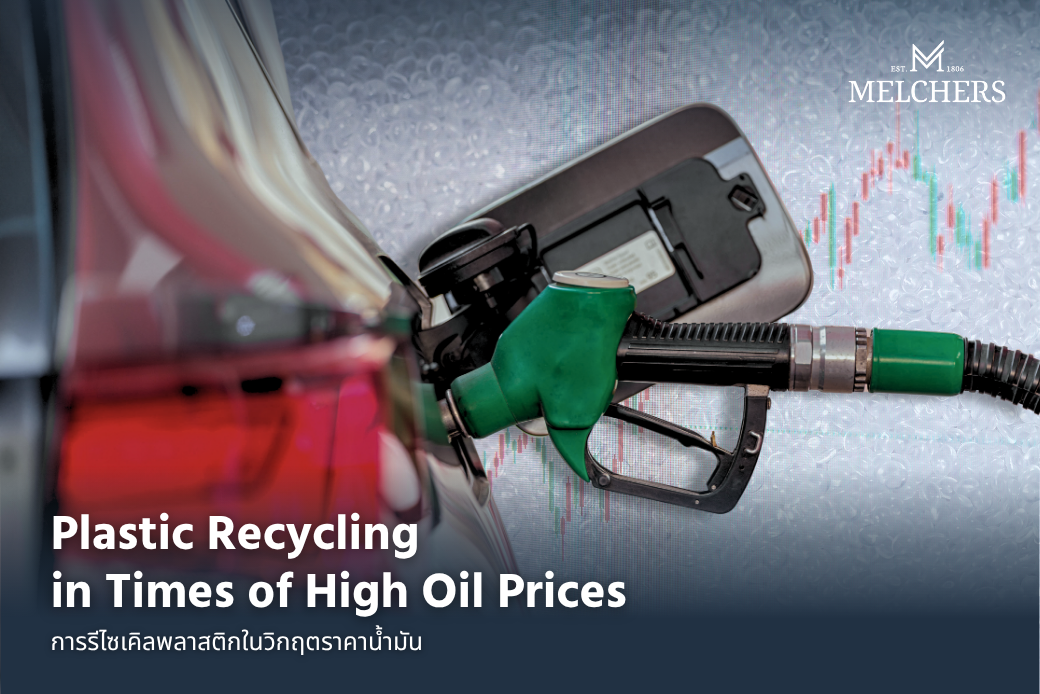
As oil prices continue to rise and petroleum-based raw materials become scarce, the plastics industry is directly affected. Virgin plastic resin costs are closely linked to crude oil prices, resulting in higher production costs and reduced competitiveness in a highly volatile market.
Recycling to Reduce Dependence on Virgin Materials
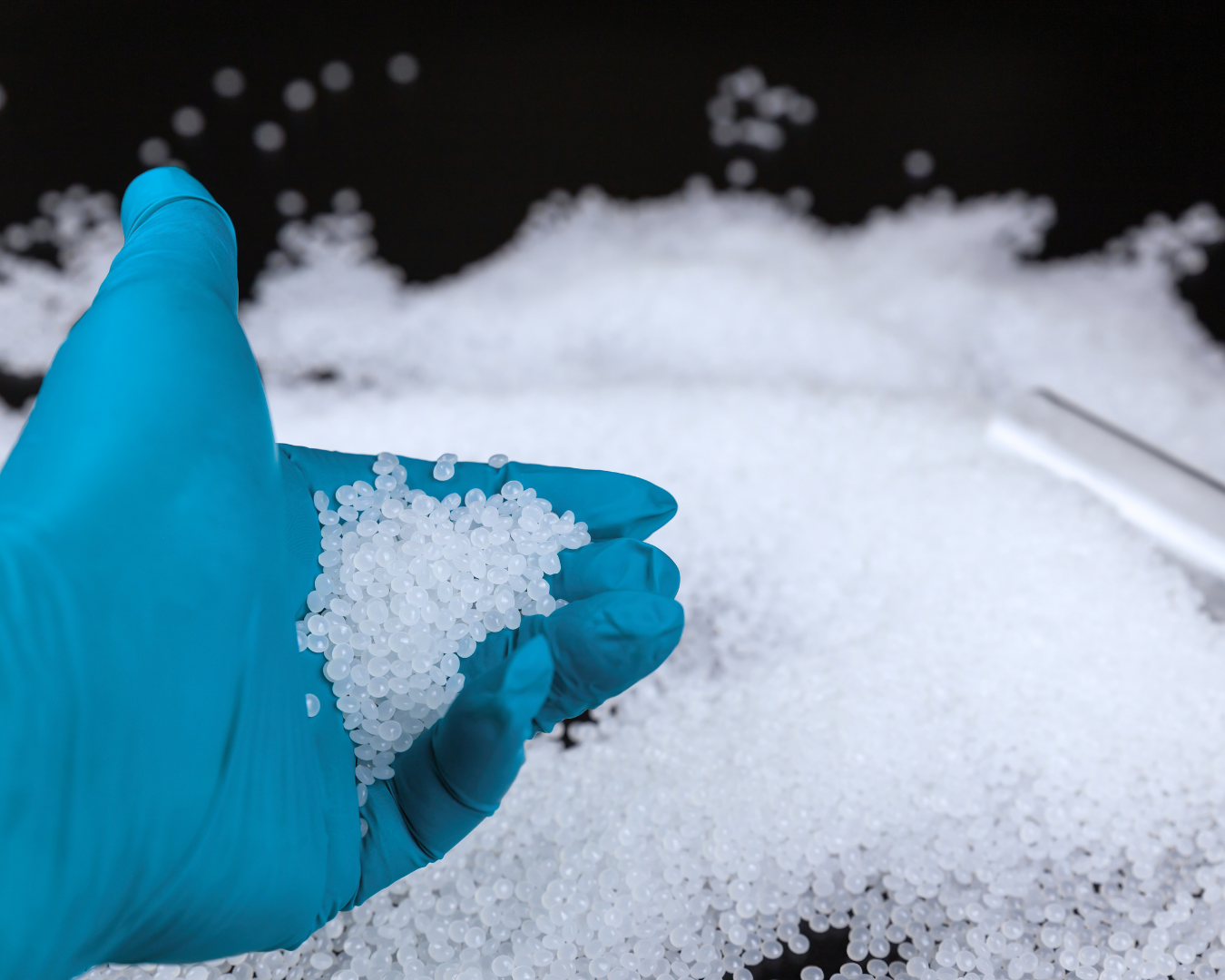
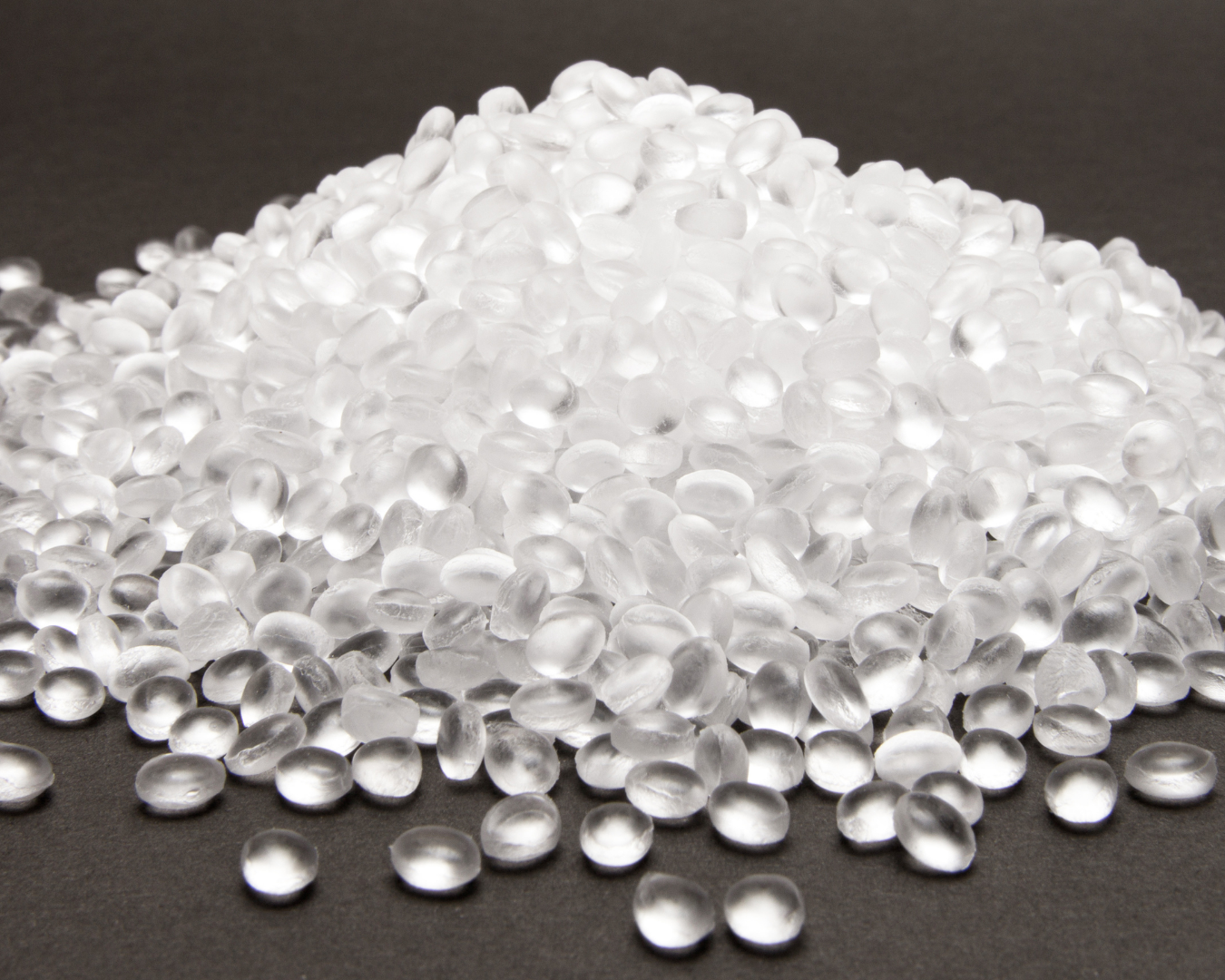
Plastic recycling machines play a key role in reducing reliance on new raw materials. Plastic waste can be processed into recycled pellets and reintroduced into the production process. This approach helps lower material costs and mitigate risks associated with oil price fluctuations.
Enhancing Supply Chain Stability
Beyond cost reduction, recycling systems enable manufacturers to better control their raw material supply and reduce dependence on imported virgin plastics. This is especially important during periods of global supply chain uncertainty, such as shipping delays or material shortages. In-house recycling systems therefore enhance operational flexibility.
Environmental Impact and Circular Economy
From an environmental perspective, plastic recycling helps reduce waste, lower greenhouse gas emissions, and support the concept of a circular economy. This approach focuses on efficient resource utilization by reusing materials to maximize their value.
Advances in Modern Recycling Technology
Modern plastic recycling machines, such as integrated recycling lines, combine multiple processes into a single system, including washing, shredding, melting, and pelletizing. These technologies produce consistent, high-quality recycled pellets that can replace virgin plastics in many applications.
In times of oil price volatility and raw material constraints, plastic recycling provides an effective approach for managing costs and resources. Recycling machines not only reduce waste but also improve business flexibility and support long-term industrial sustainability.
10 Apr 2026





 English
  Thai
Thai