


Article by: Michael S. Walsch | Regional Head of Aviation, Asia , Melchers Group
Translate in Thai by: Melchers Thailand Team
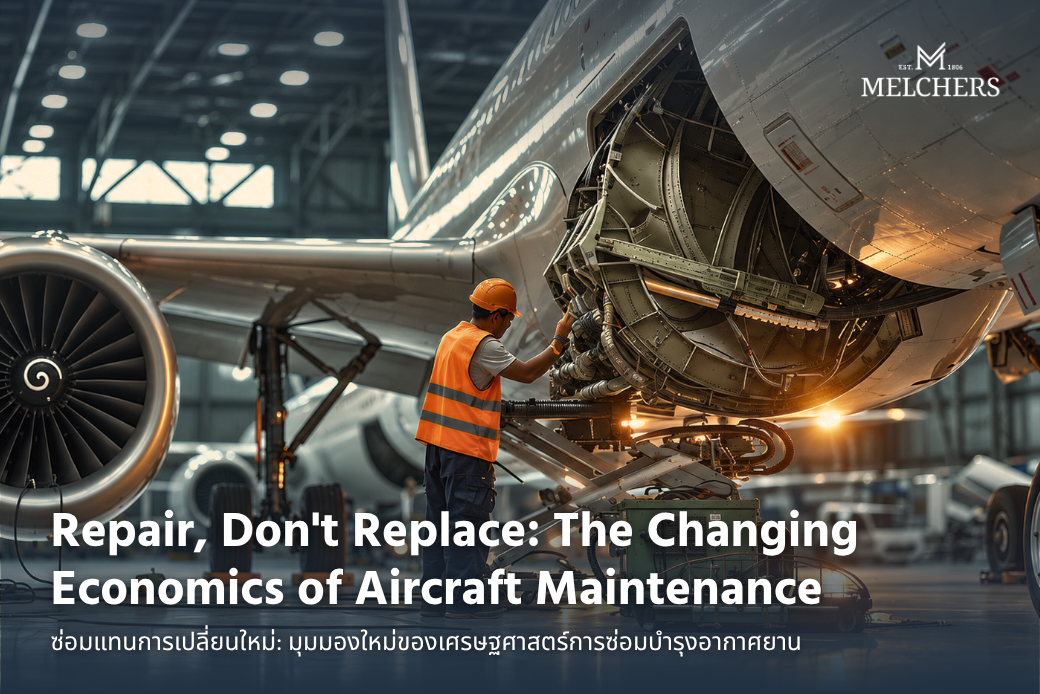
Why buying a new part isn’t always the smartest maintenance decision.
In aviation, replacing a damaged component might seem like the safest and most straightforward solution. But what if that component could be repaired, restored and returned to service at a fraction of the replacement cost?
As airlines face increasing pressure to control maintenance expenses, reduce aircraft downtime and manage supply-chain disruptions, a different question is gaining importance: Does this part really need replacing?
The Hidden Cost of Replacement
Modern aircraft are built from thousands of highly engineered components, many of which are expensive, difficult to source and subject to long manufacturing lead times.
When a component becomes damaged, the immediate response is often to find a replacement. Yet the purchase price is only part of the equation.
Shipping, inventory availability, certification requirements and potential aircraft downtime can all contribute to the overall cost.
For an airline operating on tight schedules, waiting several weeks for a replacement component can be considerably more expensive than the component itself.
This is where approved repair solutions can offer a compelling alternative.
A New Perspective on Aircraft Repairs
Aircraft maintenance has always involved repairing components where permitted. What is changing is the range and sophistication of the technologies available to maintenance organizations.
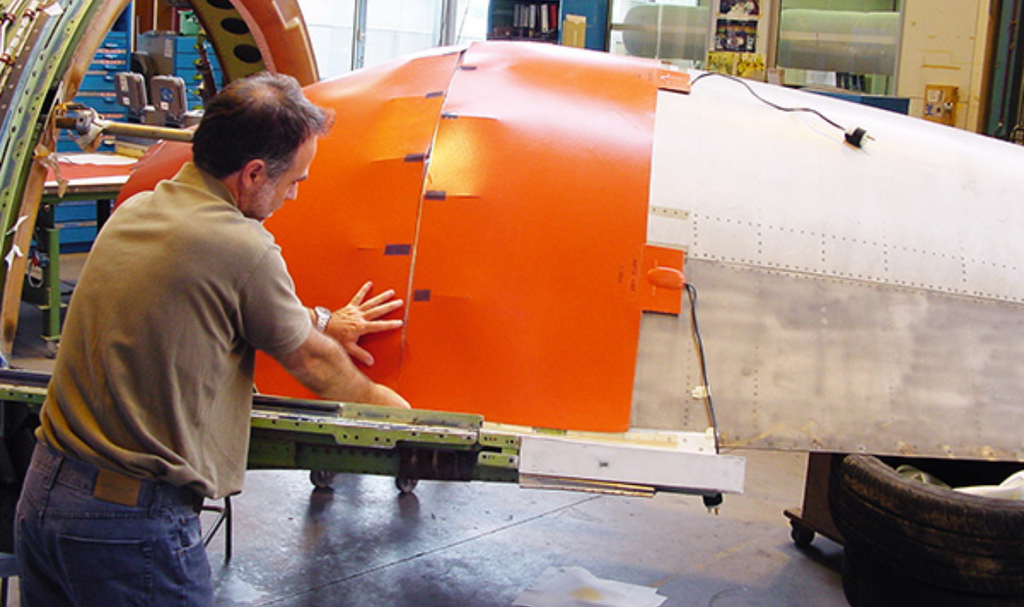
Advanced composite repair equipment, precision tooling and improved inspection methods allow technicians to address certain types of damage with greater accuracy and process control.
Composite materials, for example, are widely used in modern aircraft structures and interiors because of their favorable strength-to-weight characteristics. However, damage to these materials requires specialized inspection, carefully controlled repair procedures and appropriate equipment.
A repair may involve preparing the damaged area, applying approved repair materials and using controlled heat and pressure to achieve the required material properties.
Portable hot bonders, heating blankets and temperature-monitoring systems can support these processes, helping maintenance teams perform repairs consistently and in accordance with the applicable approved instructions.
The objective is not simply to make a damaged component look new again. It is to restore its required functionality and integrity while maintaining aviation safety and regulatory compliance.
Repairability Is Becoming a Competitive Advantage
For airlines and MROs, the economic benefits can extend well beyond the immediate repair cost.
When an approved repair is technically feasible, it may help reduce replacement expenditure, shorten turnaround times and limit dependence on new-part availability.
It can also extend the useful service life of existing components and reduce material waste.
But repair is not automatically the better option.
Every decision must consider the extent of the damage, the availability of approved repair data, regulatory requirements, the cost of labor and materials, and the remaining useful life of the component.
In some cases, replacement remains the safest and most economical solution.
The real advantage lies in having both options available and making the decision based on technical evidence and total operational cost.
The Importance of the Right Tools
Repair capability depends not only on skilled technicians but also on access to appropriate equipment.
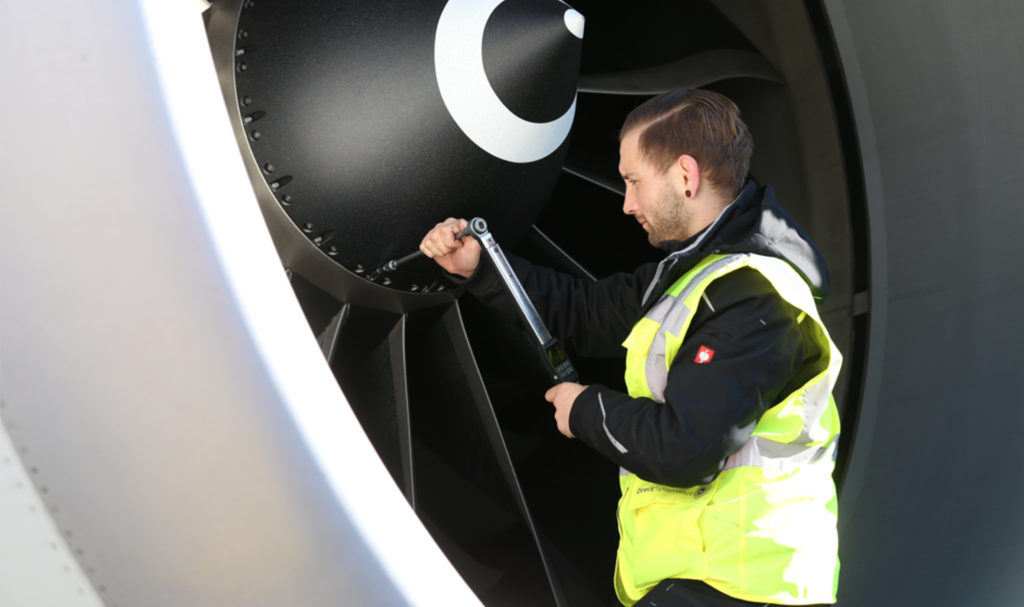
Precision torque tools, calibrated instruments, composite repair systems and specialized maintenance tooling all contribute to the quality and repeatability of maintenance work.
For maintenance organizations, investing in the right equipment can expand their in-house capabilities and reduce dependence on external repair providers.
Equally important is having reliable access to technical support, spare parts, consumables and suppliers who understand aviation’s demanding requirements.
A sophisticated repair system offers limited value if the necessary accessories or replacement parts are unavailable when needed.
A More Resilient Maintenance Strategy
The aviation industry is increasingly focused on operational resilience.
Airlines and MROs need maintenance strategies that balance safety, cost, aircraft availability and long-term sustainability.
This means looking beyond the traditional choice between purchasing a new component and waiting for an existing one to become available.
Approved repairs, specialized tooling and well-organized supply chains can provide additional flexibility.
As aircraft fleets grow and maintenance requirements become more complex, the ability to evaluate repair opportunities efficiently will become an increasingly valuable capability.
The future of aircraft maintenance is not about repairing everything. It is about knowing what can be repaired, when it makes economic sense and having the right technology to do it safely.
And sometimes, the smartest replacement part is the one you never needed to order.
6 Nov 2026



 English
 Thai