


Article by: Melchers Thailand Team
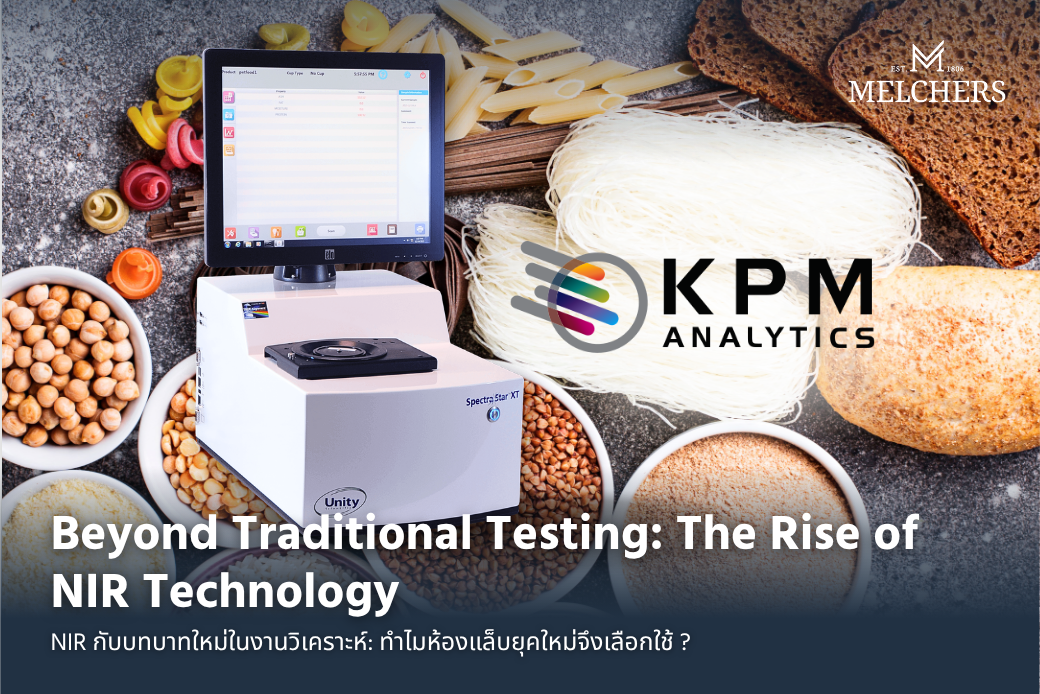
Fast analysis. Non-destructive. Multiple parameters in a single measurement. Here’s what NIR Technology can actually do.
Imagine this: you have hundreds of food samples that need to be analyzed within a single day, but traditional methods take hours per sample, require extraction, chemical reagents, and complex steps — and by the time analysis is complete, the sample has already been altered.
This is the challenge that laboratories everywhere are facing. And that is why Rapid Analysis technology is playing an increasingly important role across many industries, including education and research — where Near-Infrared Spectroscopy (NIR) is becoming the answer that many are looking for.
Traditional Methods Still Work — But Are They Enough?
No one is dismissing traditional analytical methods. They remain the backbone of laboratory science and continue to serve as the gold standard across many applications.
But when research and production demands are growing faster than ever — more samples, tighter timelines, leaner budgets — the question worth asking is:
“Is the workflow you’re using today actually keeping up?”
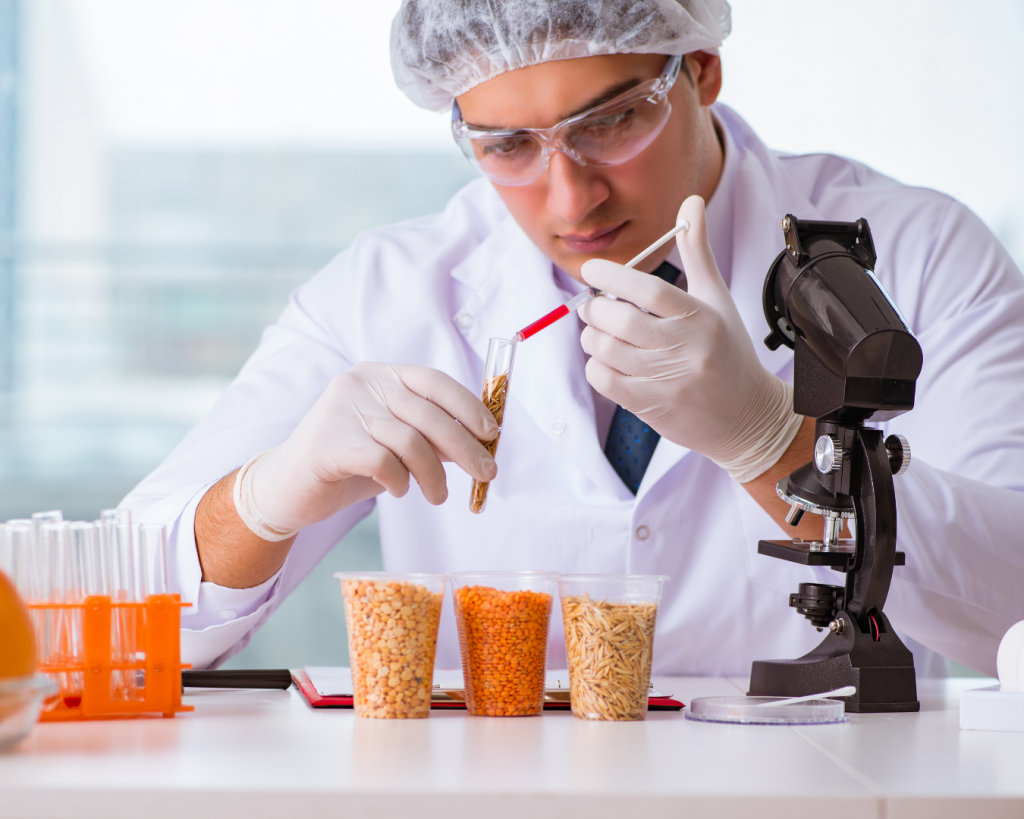
Common friction points with conventional methods include time-consuming sample preparation, added costs and waste from chemical reagents, and destructive testing — meaning once a sample is analyzed, it can’t be recovered or reused.
What Is NIR Technology, and Why Is It Attracting More Attention?
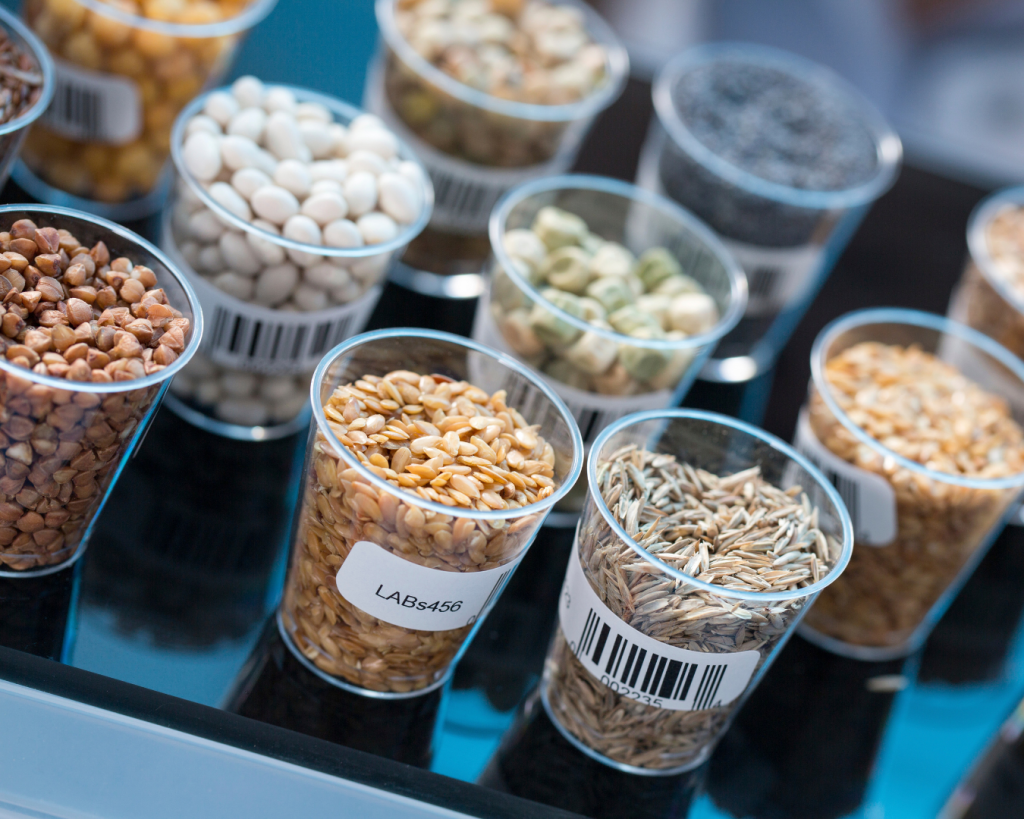
Near-Infrared Spectroscopy (NIR) is a technology that directs near-infrared light through or onto a sample and analyzes how that reflected light has changed. Moreover, because different molecular components within a sample — such as protein, fat, and moisture — absorb NIR light in distinct ways, the instrument can “read” the composition of a sample without touching or destroying it. As a result, researchers can obtain multiple parameters simultaneously from a single measurement within seconds.
4 Key Reasons Behind NIR’s Rising Popularity
1. Speed
Analysis that once took hours can now finish in seconds. As a result, NIR supports high-throughput environments and continuous measurement workflows more efficiently.
2. Non-Destructive
Samples remain completely intact after measurement — making NIR ideal for high-value research specimens, in-process monitoring, and production line integration.
3. Multi-Component Analysis in a Single Measurement
With the right calibration models, a single NIR measurement can return values for moisture, protein, fat, fiber, and more — simultaneously.
4. Reduced Chemical Use and Waste
Because the process does not require chemical reagents for sample preparation, laboratories can reduce waste, lower operational costs, and support more environmentally friendly workflows.
Where Is NIR Being Used Right Now?
NIR technology is already deployed across a wide range of industries:
- Food industry — Quality control for moisture, protein, fat, fiber, and more
- Animal feed — Real-time nutritional analysis in-lab and on-site
- Agriculture — Raw material evaluation at intake and pre-dispatch
- Research & education — Hands-on experience with modern analytical workflows for students and researchers
- Factory QC — Rapid raw material and product screening on the production line
- Heavy industry — Moisture control in mining, stone, sand, glass, and cement processes
- Advanced manufacturing — Coating thickness measurement on films, labels, paper, and textiles
The Latest From KPM Analytics
This shift is also transforming internal roles within organizations:
One of the most capable systems available today is the SpectraStar™ Series NIR from KPM Analytics, with Melchers Thailand serving as the authorized distributor in Thailand.
Designed for both routine laboratory analysis and quality evaluation, the SpectraStar™ Series supports a wide variety of sample types and is built to be accessible without requiring specialist expertise — making it a practical fit for everything from small research labs to large-scale industrial operations.
NIR Isn’t Just a Tool — It’s a Shift in How You Work
The best technologies don’t just make things faster. They change the way teams think and operate.
NIR frees analysts from repetitive manual preparation and lets them focus on what matters most: interpreting results and making informed decisions quickly. In a world where data drives everything, faster access to accurate information means better decisions at every level of an organization.
As laboratories and production facilities continue to evolve, technologies that increase speed, reduce complexity, and support smarter workflows will only become more critical. NIR isn’t just another instrument on the bench — it’s becoming a core part of how modern analysis gets done.
Whether you’re a researcher, scientist, or laboratory manager looking to rethink your analytical process, NIR may be exactly the step forward you’ve been looking for.
For more information about NIR Technology or to request a demonstration, contact the Melchers Thailand team today.
Source: KPM Analytics
15 May 2026




 English
  Thai
Thai